
Every winter, tonnes of gritting salt are spread across Britain’s roads, bridges and pavements to keep them safe and passable. While this practice is undeniably effective at preventing ice formation and reducing accidents, it comes with a hidden cost, one that accumulates quietly over years and decades, gradually wearing away at the very infrastructure it is meant to protect.
The essentials
- Rock salt effectively prevents ice formation, but its brine solution infiltrates infrastructure, causing long-term damage to roads and bridges.
- The freeze-thaw cycle triggered by salt brine creates internal pressure in concrete, leading to cracking, spalling, and the development of potholes.
- Chloride ions from salt accelerate the corrosion of steel reinforcements within concrete, which can critically compromise the load-bearing capacity of bridges.
- Highway authorities utilize routine inspections, surface sealants, and drainage cleaning to mitigate the accumulation of corrosive salt deposits.
- Early intervention and maintenance, such as repointing joints and filling cracks, are essential to preventing more expensive structural failures.
- Innovative approaches like pre-treatment with liquid brine or using less corrosive compounds are being explored to balance winter safety with infrastructure longevity.
How gritting salt gradually deteriorates infrastructure over time
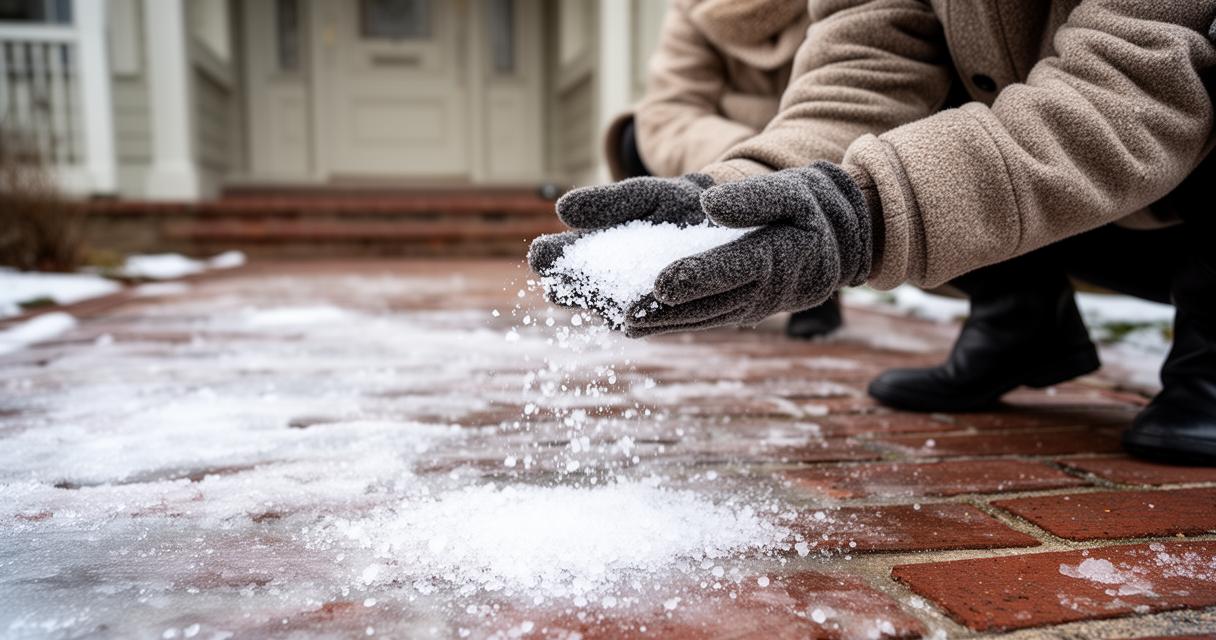
When gritters spread rock salt across road surfaces, the salt mixes with moisture to create a brine solution that lowers water’s freezing point, preventing ice from forming or causing it to melt away. This is the intended effect. However, that same brine does not simply evaporate once its job is done. It seeps into the microscopic pores and cracks of concrete, works its way beneath asphalt, and settles into the joints and expansion gaps that hold large structures together. Over time, this relentless infiltration causes de-icing salt damage that is both extensive and costly to repair.
The chemical reaction between salt and concrete surfaces
Concrete may appear robust, but it is surprisingly vulnerable to road salt corrosion. When salt brine penetrates the surface, it triggers a chemical process known as freeze-thaw cycling. The brine lowers the freezing point of water trapped within the concrete, meaning that moisture remains liquid at temperatures where it would otherwise freeze and expand harmlessly. When temperatures drop further and the brine itself eventually freezes, it exerts enormous pressure on the surrounding material. Over repeated cycles across many winters, this causes the concrete to crack, spall and crumble from within. Pavements become uneven and hazardous, road surfaces develop potholes, and the structural integrity of bridges is progressively undermined.
Corrosion of Steel Reinforcements in Bridges and Road Structures
Perhaps the most serious long-term consequence of gritting salt is its effect on the steel reinforcements embedded within concrete bridges and elevated road structures. Salt water acts as an electrolyte, dramatically accelerating the electrochemical process of rust and corrosion. Once chloride ions from the salt reach the steel rebar inside a concrete structure, they break down the protective oxide layer on the metal’s surface and rust begins to form. As rust expands in volume, it exerts pressure on the surrounding concrete, causing it to crack and delaminate, a process known as spalling. Left unchecked, this cycle of corrosion and cracking can compromise the load-bearing capacity of an entire structure, leading to costly closures, emergency repairs, and in the most severe cases, catastrophic failure.
Managing the Long-Term Impact of Gritting Salt on Public Infrastructure
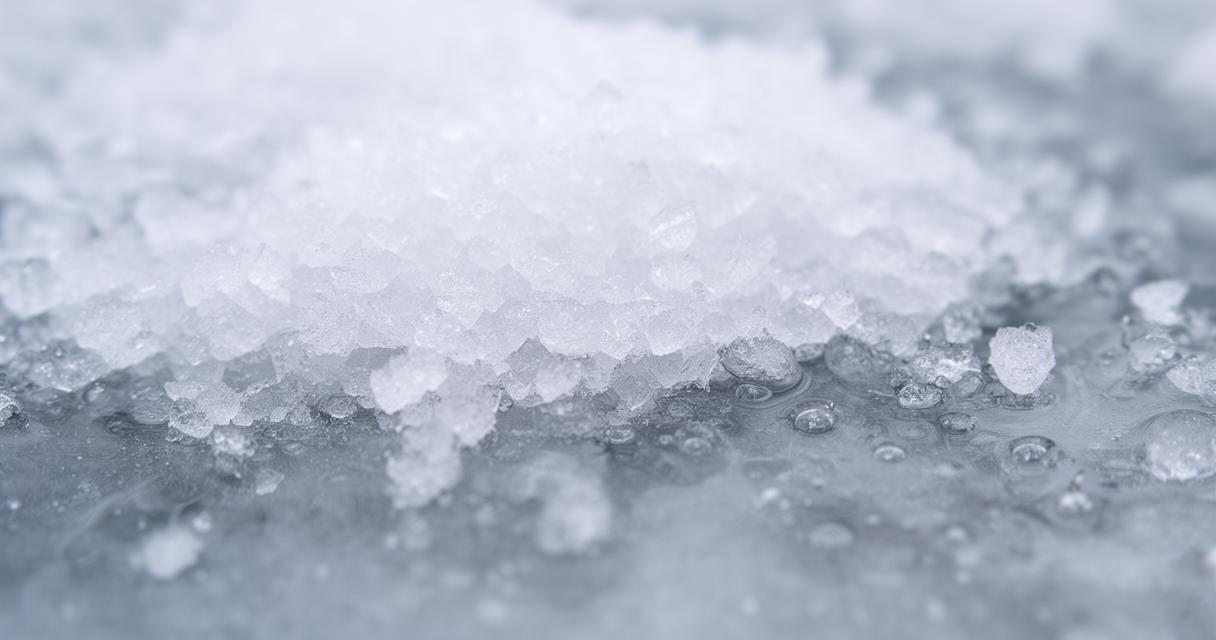
Acknowledging the cumulative damage caused by salt brine damage is the first step towards managing it effectively. Highway authorities and local councils across the United Kingdom invest significantly in monitoring, maintenance and repair programmes designed to extend the serviceable life of roads, pavements and bridges. The challenge lies in balancing the immediate safety benefits of winter gritting against the long-term structural costs it imposes.
Maintenance Strategies to Reduce Salt-Related Damage on Roads and Pavements
Routine inspection and preventative maintenance are the most reliable tools available to infrastructure managers. Sealing concrete surfaces with specialist coatings before winter can slow the ingress of brine, while regular cleaning of bridge decks and drainage channels helps to remove accumulated salt deposits before they cause lasting harm. Early intervention (filling cracks and repointing joints while damage is still superficial) is considerably more cost-effective than allowing deterioration to progress to the point where structural repairs become unavoidable. Modern bridge management systems also use sensors and monitoring technology to detect early signs of corrosion within steel reinforcements, enabling targeted repairs before problems escalate.
Alternative De-Icing Solutions and Their Effect on Infrastructure Longevity
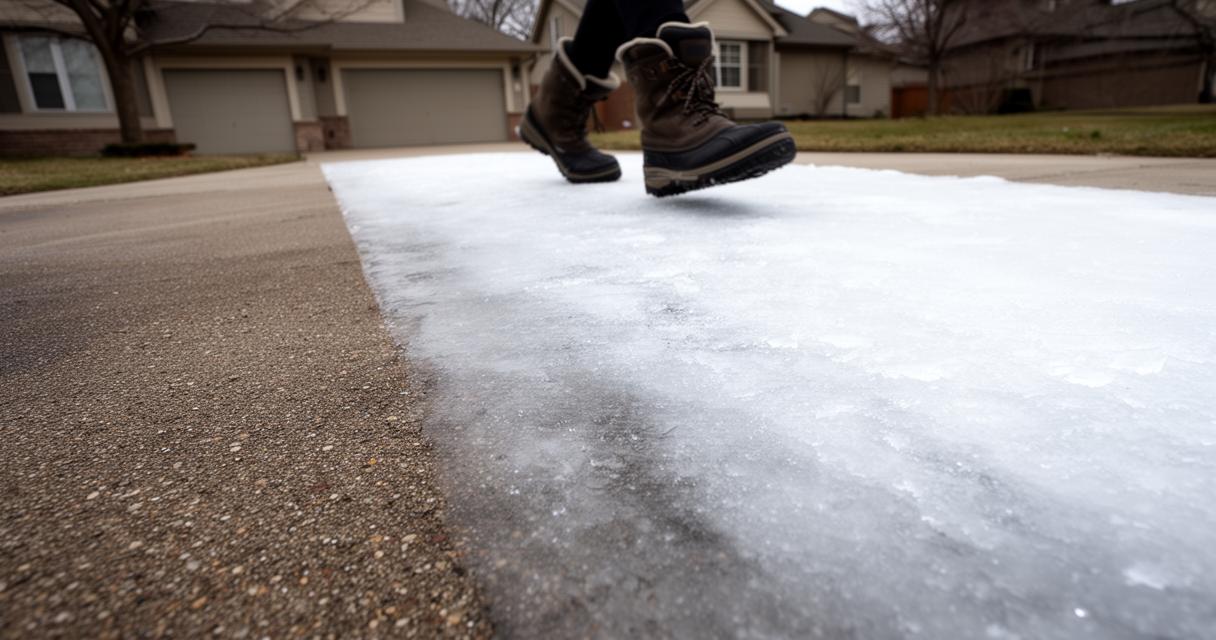
In recent years, attention has turned to alternative de-icing methods that aim to maintain road safety during winter while reducing the structural harm associated with traditional rock salt. Liquid brine pre-treatment, applied before a frost event rather than after ice has formed, can achieve the same anti-icing effect using smaller quantities of salt, thereby limiting the volume of chloride compounds that come into contact with road and bridge surfaces. Other approaches include the use of calcium magnesium acetate and other less corrosive compounds, though these tend to be more expensive to deploy at scale. Sand and grit, applied without salt, offer road grit protection in certain conditions without the same corrosive consequences, although they are less effective at preventing ice bonding. The long-term health of Britain’s infrastructure will depend on finding the right balance between these solutions, ensuring that roads and bridges remain both safe and structurally sound for generations to come.