
Urban centres across the globe are undergoing profound transformation as cities grapple with mounting pressures on infrastructure, environmental degradation, and the urgent need for sustainable development. As populations swell and metropolitan areas expand, the question of how people move through these spaces has never been more pressing. Modern technology offers a compelling answer by combining advanced data analytics, artificial intelligence, and smart infrastructure to reimagine public transport systems. From London's iconic red buses to sprawling metro networks in megacities worldwide, the fusion of digital innovation with traditional mass transit promises to deliver not only operational efficiency but also measurable gains in environmental sustainability and passenger experience.
The Critical Role of Public Transport in Modern Urban Living
Why cities depend on robust public transport networks
Few elements of urban planning are as vital as a well-functioning public transport network. Buses, trains, and trams serve as the lifeblood of cities, connecting residential neighbourhoods with commercial hubs, industrial zones, and cultural landmarks. These shared mobility systems carry millions of passengers daily, reducing the reliance on private cars and easing the burden on congested roadways. In densely populated regions, the absence of effective public transport would result in gridlock, hampering economic productivity and diminishing quality of life for residents. Beyond convenience, accessible and reliable transport fosters social inclusion by ensuring that people from diverse socioeconomic backgrounds can reach employment, education, and healthcare facilities. The integration of different modes of transport into cohesive networks enables seamless journeys, making it easier for commuters to switch from bus to rail or tram without significant delays. This interconnectedness underpins the economic vitality of modern cities and supports the equitable distribution of opportunities across urban landscapes.
Environmental and Social Benefits of Shared Mobility Systems
Public transport offers a powerful antidote to the environmental challenges posed by individual car ownership. By consolidating passenger volumes into fewer vehicles, these systems dramatically reduce fuel consumption and lower carbon emissions per capita. Research consistently shows that a single double-decker bus can replace dozens of private cars on the road, cutting greenhouse gas output and improving air quality in urban corridors. The shift towards electric vehicles within public fleets further amplifies these benefits, as battery-powered buses and trains eliminate tailpipe emissions and draw on renewable energy sources such as solar and wind power. Beyond environmental gains, shared mobility systems contribute to vibrant, liveable cities by freeing up space previously devoted to parking and road expansion. Streets become safer for pedestrians and cyclists, and neighbourhoods reclaim public spaces for community use. Moreover, the predictability and affordability of public transport enhance social cohesion, enabling individuals to participate more fully in civic life and reducing the isolation that can accompany car-dependent suburban sprawl.
Harnessing data analytics to revolutionise transport efficiency
Real-time data integration across buses, trains, and trams
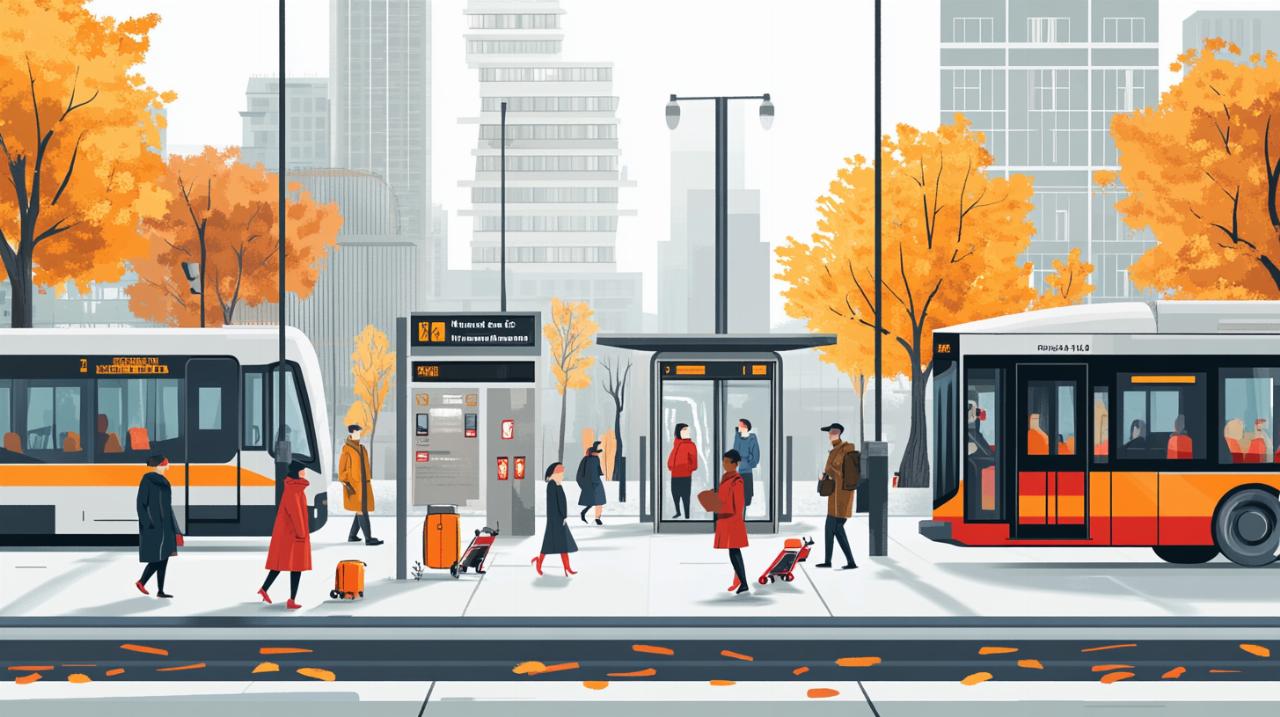
The advent of sophisticated data collection technologies has ushered in a new era for public transport management. Real-time tracking systems now monitor the precise location and status of vehicles across entire networks, feeding information into centralised control rooms where operators can respond dynamically to changing conditions. When a bus encounters unexpected traffic congestion or a rail service experiences delays, these systems enable rapid adjustments to schedules and routes, minimising passenger wait times and maintaining service reliability. Sensors embedded in vehicles capture data on speed, fuel efficiency, and mechanical performance, creating rich datasets that inform operational decisions. Passengers benefit directly from this transparency through mobile applications that provide live updates on arrival times, service disruptions, and alternative routes. This level of connectivity transforms the travel experience, reducing uncertainty and empowering individuals to plan journeys with confidence. The integration of real-time data also supports traffic management strategies that prioritise public transport at key intersections, smoothing the flow of buses and trams through congested urban areas and further enhancing punctuality.
Predictive Modelling for Route Optimisation and Reduced Emissions
Beyond immediate operational adjustments, data-driven solutions enable public transport authorities to engage in long-term planning grounded in predictive modelling and demand forecasting. By analysing historical ridership patterns alongside demographic trends, weather data, and special events, transport planners can anticipate fluctuations in passenger numbers and adjust capacity accordingly. This proactive approach prevents overcrowding during peak periods while avoiding the inefficiency of running near-empty vehicles during quieter hours. Predictive maintenance represents another transformative application of data analytics, allowing operators to identify signs of wear and potential mechanical failures before they lead to breakdowns. By scheduling repairs and component replacements based on actual vehicle condition rather than arbitrary intervals, fleets achieve higher reliability and lower lifecycle costs. These efficiencies translate directly into environmental benefits, as optimised routes and well-maintained vehicles consume less fuel and produce fewer carbon emissions. The integration of artificial intelligence further enhances these capabilities, enabling systems to learn from vast quantities of data and refine their predictions over time. As algorithms become more sophisticated, they can model complex interactions between different modes of transport, optimising connections and ensuring that passengers experience smooth, low-carbon journeys across entire urban networks.
Addressing public transport challenges through technology and innovation
Tackling common criticisms with smart infrastructure solutions
Public transport systems frequently face criticism for issues such as unreliability, overcrowding, safety concerns, and outdated infrastructure. Smart technology offers practical responses to these longstanding challenges. Advanced fare systems streamline ticketing processes and reduce fraud, while data analytics identify pricing structures that balance affordability with financial sustainability. Customer feedback mechanisms integrated into mobile applications allow passengers to report problems in real time, creating a continuous feedback loop that drives service improvements. Autonomous vehicles, though still in developmental stages, promise to expand service coverage and reduce labour costs, making it economically viable to serve low-density areas that traditional routes cannot reach efficiently. Enhanced cyber security measures protect the integrity of these digital systems, safeguarding passenger data and ensuring that smart infrastructure remains resilient against malicious interference. Meanwhile, investments in charging infrastructure for electric buses and trams remove barriers to fleet electrification, accelerating the transition away from diesel-powered vehicles. Antimicrobial surfaces and improved ventilation systems address health concerns, making public transport safer in the wake of global health challenges. By addressing criticisms through targeted technological interventions, transport authorities can rebuild public confidence and encourage greater uptake of shared mobility options.
Future-proofing urban mobility for environmental sustainability
Looking ahead, the convergence of data-driven solutions, renewable energy, and innovative vehicle technologies positions public transport as a cornerstone of sustainable urban development. Hydrogen fuel cells and next-generation battery technology promise to extend the range and reduce the environmental footprint of electric vehicles, while carbon capture initiatives and plastic waste reduction programmes contribute to broader climate goals. Urban planning increasingly integrates transport considerations with land use policies, promoting compact, mixed-use neighbourhoods where residents can access services without lengthy commutes. Research funding directed towards fusion energy and advanced energy storage solutions holds the potential to revolutionise the power sources that drive public transport networks, further decoupling mobility from fossil fuel dependence. Logistics optimisation algorithms, initially developed for freight operations, are being adapted to improve the coordination of passenger services, reducing idle time and maximising vehicle utilisation. The role of artificial intelligence in climate modelling enables cities to anticipate the impacts of extreme weather events on transport infrastructure, building resilience into network design. As governments and private investors channel resources into these innovations, the vision of low-carbon mobility becomes increasingly attainable. Public transport, enhanced by smart technology and underpinned by robust data analytics, emerges not merely as a service but as a vital component of the global effort to combat climate change and create cities that are liveable, equitable, and sustainable for generations to come.