
For those exploring Islamic terminology or engaging with Arabic religious texts, understanding sacred phrases and their proper pronunciation is essential. One such expression that appears frequently in religious discourse is Allah Azawajal, a phrase that carries profound theological significance whilst requiring careful articulation. This guide will walk you through the linguistic roots, spiritual meaning, and practical pronunciation of this important honourific expression, ensuring you can both comprehend and communicate it with confidence and respect.
Understanding the sacred phrase: what does allah azawajal actually mean?
Breaking Down the Arabic Components and Their Significance
The phrase Allah Azawajal is a composite expression in Arabic that combines the name of God with a specific honourific formula. Allah, of course, refers to the name of God in Islam, derived from the Arabic root that denotes divinity and supreme authority. The second component, Azawajal, is actually a contraction of two separate Arabic words: Azza wa Jalla. These terms translate roughly to 'Mighty and Majestic' or 'Glorified and Exalted', reflecting attributes of power, honour, and supreme greatness. When Muslims use this phrase, they are acknowledging the transcendent nature of the divine whilst expressing reverence and respect through their language. The contraction serves a practical purpose in spoken and written communication, allowing believers to invoke these divine attributes efficiently whilst maintaining the spiritual weight of the complete expression. This linguistic convention demonstrates how Arabic religious language often compresses complex theological concepts into accessible verbal formulas.
The theological context behind this honourific expression
Within Islamic theology, the use of honourific expressions when mentioning God is not merely a matter of linguistic preference but rather a deeply embedded practice rooted in reverence and spiritual etiquette. The phrase Azawajal serves as a reminder of God's absolute sovereignty and majesty, reinforcing the theological principle that the divine possesses attributes beyond human comprehension. Muslims believe that employing such expressions when speaking or writing about God fulfils a religious duty to honour the Creator appropriately. This practice aligns with broader Islamic principles regarding the names and attributes of God, known as Asma ul Husna, or the Most Beautiful Names. By appending these honourific phrases to the divine name, believers actively engage in an act of worship through their very speech. The theological significance extends beyond mere formality; it shapes the consciousness of the speaker, encouraging a state of mindfulness and humility whenever discussing matters of the divine. This practice also distinguishes sacred language from everyday conversation, creating a linguistic boundary that marks discussions of God as spiritually distinct and worthy of special attention.
Mastering the Pronunciation: A Practical Guide to Saying Allah Azawajal Correctly
Phonetic Breakdown and Common Pronunciation Mistakes to Avoid
Pronouncing Allah Azawajal correctly requires attention to several distinct Arabic sounds that may not exist in English phonetics. The first word, Allah, begins with a short 'a' sound, similar to the 'a' in 'father', followed by a doubled 'l' sound that should be emphasised. The final syllable ends with a soft 'h' sound that comes from the back of the throat, quite different from the aspirated 'h' in English words like 'house'. Moving to Azawajal, the pronunciation begins with a short 'a' sound, followed by a 'z' sound as in 'zebra'. The next syllable features a long 'a' sound, then a 'w' consonant, and another short 'a'. The word concludes with 'jal', where the 'j' should sound like the 'j' in 'judge' and the 'a' is short, ending with an 'l'. One common mistake non-Arabic speakers make is softening the doubled consonants or failing to produce the guttural 'h' sound in Allah. Another frequent error involves rushing through the phrase without giving each syllable its proper weight and duration. The rhythm and cadence matter significantly in Arabic pronunciation, so maintaining a measured pace helps ensure accuracy and conveys the respect the phrase demands.
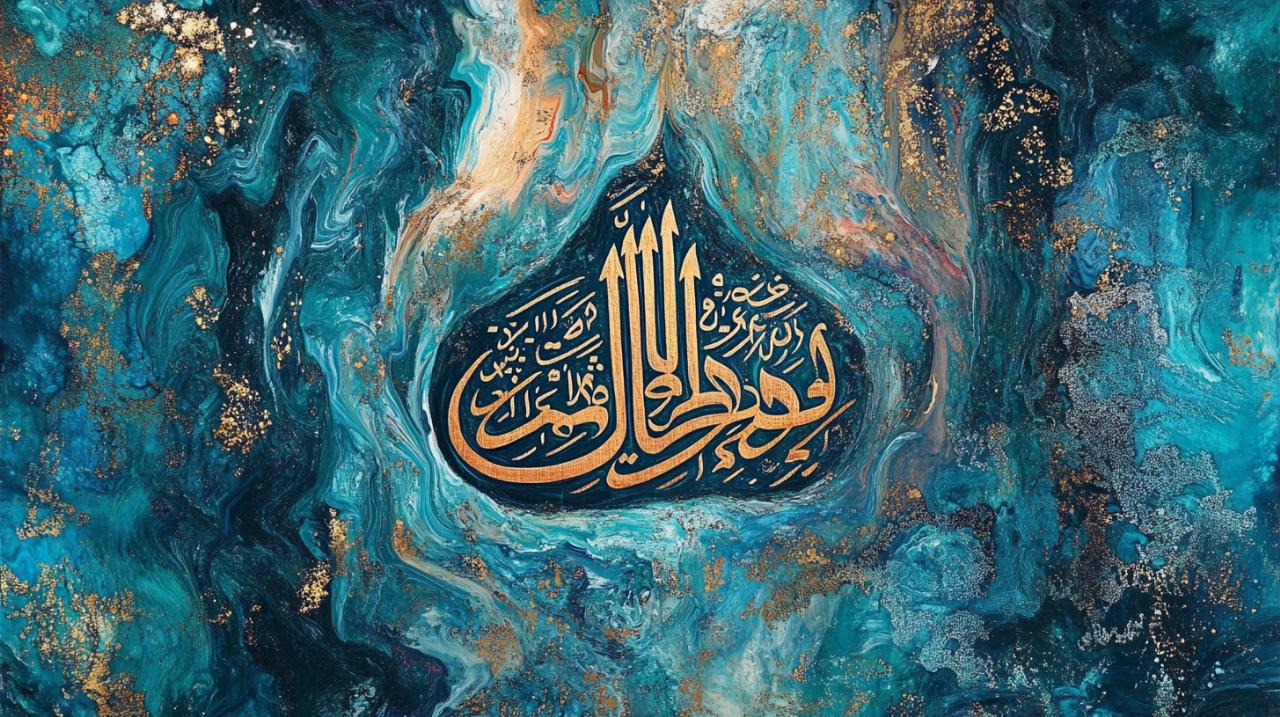
Audio Resources and Tips for Non-Arabic Speakers
For those without a background in Arabic, accessing quality audio resources can make the difference between hesitant approximation and confident pronunciation. Numerous Islamic educational websites and applications now offer audio recordings of common religious phrases, including Allah Azawajal, spoken by native Arabic speakers. These resources allow learners to hear the phrase repeatedly, developing an ear for the correct sounds and rhythm. When using such resources, it is advisable to listen multiple times before attempting to replicate the pronunciation, paying particular attention to where the tongue and throat position themselves for each sound. Recording yourself and comparing your pronunciation to the original can reveal specific areas needing improvement. Another valuable approach involves breaking the phrase into smaller components and mastering each segment before combining them. Practising with Arabic-speaking friends or community members can provide immediate feedback and encouragement. Many mosques and Islamic centres offer language classes or informal study groups where pronunciation guidance forms part of the curriculum. Additionally, some learners find it helpful to learn basic Arabic phonetics more broadly, as this foundation makes pronouncing not just this phrase but many others considerably easier. Patience remains crucial, as developing comfort with unfamiliar sounds takes time and consistent practice.
When and How to Use This Phrase: Proper Etiquette and Contemporary Applications
Traditional religious contexts and written communication
Within traditional Islamic practice, Allah Azawajal appears most frequently in religious discourse, whether spoken during lectures, sermons, or informal discussions about faith. Scholars and imams routinely use this honourific when teaching, writing commentary on religious texts, or delivering Friday sermons. In written communication, the phrase often appears immediately after any mention of God's name in books, articles, or online content related to Islam. Some writers use the full expression whilst others employ an abbreviation, typically rendered as 'azza wa jalla' or simply the initials. The practice of including such honourifics in writing dates back centuries and reflects a continuity of religious tradition across generations. When composing religious texts or even casual messages within Muslim communities, including these expressions demonstrates cultural literacy and spiritual mindfulness. The phrase also appears in formal prayers and supplications, where believers consciously incorporate divine attributes into their communication with God. Understanding when to use Allah Azawajal helps speakers navigate religious spaces with appropriate decorum whilst also connecting with the rich heritage of Islamic linguistic practice.
Respectful Usage in Modern Interfaith Dialogue and Academic Settings
In contemporary interfaith settings and academic environments, the use of Allah Azawajal presents both opportunities and considerations. Scholars of religion and those engaged in interfaith dialogue often encounter this phrase when studying Islamic texts or participating in discussions with Muslim colleagues and friends. Using such expressions appropriately can demonstrate respect for Islamic tradition and facilitate more meaningful cross-cultural communication. However, non-Muslims should approach the use of such phrases thoughtfully, recognising that they carry significant spiritual weight for believers. In academic writing about Islam, scholars typically include these honourifics when quoting sources or discussing how Muslims refer to God, often providing translations or explanations for readers unfamiliar with Arabic terminology. This practice honours the source material whilst maintaining scholarly accessibility. In conversation, non-Muslims might choose to use the phrase when discussing Islamic theology with Muslim interlocutors as a gesture of respect, though this is not required and should never feel forced or performative. What matters most is approaching these expressions with genuine curiosity and respect rather than viewing them as mere exotic linguistic ornaments. As global society becomes increasingly interconnected, understanding such phrases enriches interfaith relationships and promotes mutual respect across religious boundaries. Whether in academic conferences, community dialogues, or personal friendships, familiarity with Allah Azawajal and similar expressions opens doors to deeper understanding and more authentic engagement with Islamic thought and practice.