
For those who find themselves somewhere between casual snapping and professional photography, the landscape of camera equipment can feel rather daunting. Point-and-shoot models may seem too limiting, whilst fully-fledged DSLR systems might appear overwhelming in both complexity and cost. This is precisely where the allure of an intermediate solution becomes clear, offering a thoughtful blend of accessibility and capability that suits a wide range of enthusiasts.
Understanding what makes bridge cameras unique
The photography world has long recognised the value of bridge cameras as a distinct category, one that thoughtfully combines elements from both ends of the spectrum. These devices have carved out a niche by delivering features that satisfy those who crave more creative control than a simple compact can offer, yet without the financial and logistical demands of a full interchangeable lens system. Their design philosophy centres on providing a comprehensive photographic experience within a single, self-contained package.
The perfect middle ground between compact and dslr systems
When bridge cameras first gained prominence in the early years of the millennium, they represented a sensible compromise for photographers seeking to expand their skills without committing to the expense and weight of professional equipment. Even as mirrorless cameras have surged in popularity, these versatile devices continue to hold their ground by striking a careful balance between affordability, portability, and image quality. They typically feature a body design reminiscent of a DSLR, complete with a pronounced grip and an electronic viewfinder, yet they remain significantly lighter and more compact than their professional counterparts. This makes them considerably easier to carry on extended outings, whether exploring the countryside or navigating bustling urban environments.
The appeal of bridge cameras extends beyond their physical form. They integrate a smaller sensor with an all-in-one lens system, allowing manufacturers to optimise the entire package for a cohesive user experience. This approach eliminates the need to purchase additional lenses, which can quickly escalate costs and add to the burden of carrying equipment. For photography enthusiasts who value spontaneity and simplicity, this fixed-lens design proves particularly attractive, enabling them to concentrate on composition and creativity rather than logistics.
Fixed lens design with impressive zoom capabilities
One of the most compelling characteristics of bridge cameras lies in their remarkable zoom range, often extending from wide-angle perspectives to extreme telephoto reach. Models such as the Nikon Coolpix P900 exemplify this ambition, offering a lens that spans from twenty-four to two thousand millimetres in full-frame equivalent terms. This extraordinary versatility allows photographers to capture distant wildlife or architectural details without needing to swap lenses or move closer to the subject. The Panasonic Lumix FZ300, meanwhile, distinguishes itself with a constant aperture of f/2.8 across its twenty-five to six hundred millimetre zoom range, ensuring consistent performance in varying lighting conditions and enabling creative depth-of-field effects throughout the focal length spectrum.
Such impressive optical reach is complemented by advanced image stabilisation systems, often boasting multiple stops of compensation to counteract camera shake. This technology proves invaluable when shooting at the longest focal lengths, where even the slightest movement can result in blurred images. Additionally, many bridge cameras incorporate fast autofocus mechanisms and continuous shooting modes, with some models capable of capturing sequences at thirty frames per second or more. These features make them well-suited for dynamic subjects, from sporting events to fast-moving wildlife, providing enthusiasts with the tools to freeze decisive moments with confidence.
Manual controls and creative photography options
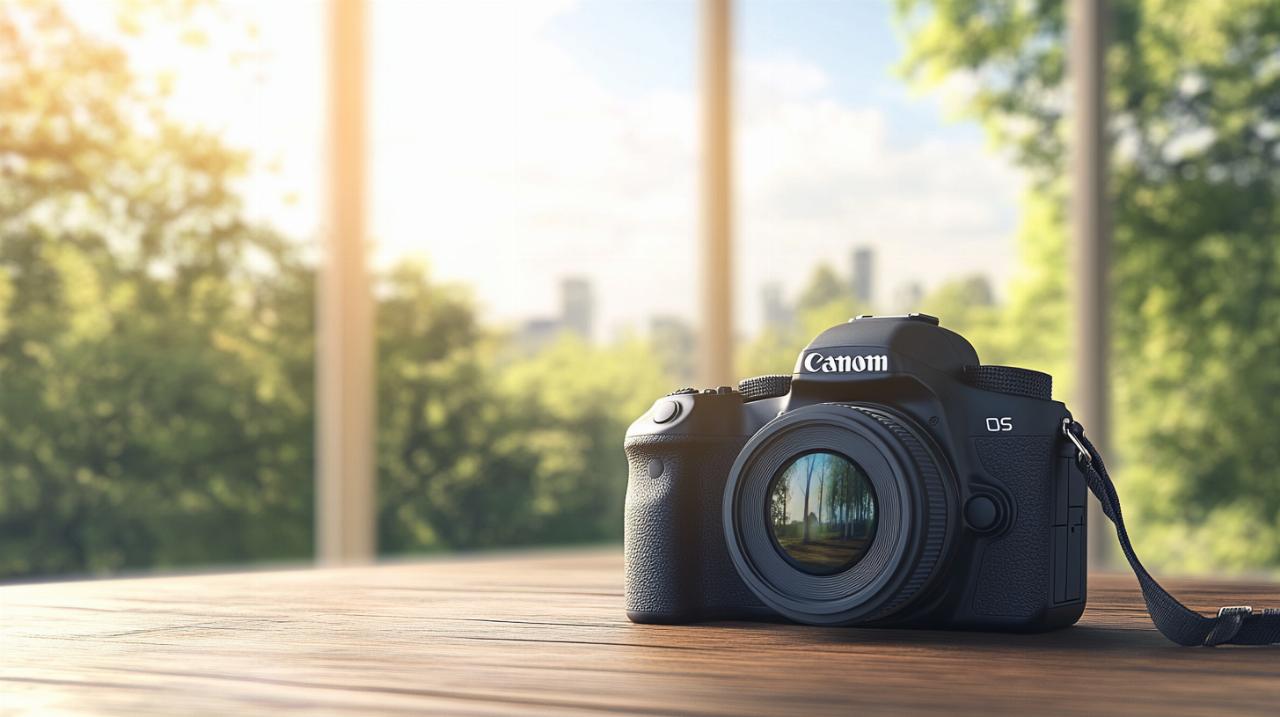
Beyond their physical attributes and zoom prowess, bridge cameras distinguish themselves through the depth of control they afford to users. Unlike fully automatic compacts, these devices typically include dedicated dials and buttons for adjusting key exposure parameters, empowering photographers to take command of their creative vision. This level of manual intervention opens up a world of artistic possibilities, allowing individuals to experiment with different settings and develop a deeper understanding of photographic principles.
Mastering aperture and shutter speed settings
The ability to independently control aperture and shutter speed represents a fundamental aspect of advanced photography, and bridge cameras excel in making these adjustments accessible. By selecting a wider aperture, such as f/2.8, photographers can achieve a shallow depth of field that isolates subjects against a softly blurred background, a technique beloved in portrait and street photography. Conversely, narrowing the aperture to f/8 or smaller brings more of the scene into sharp focus, ideal for landscape compositions where detail from foreground to horizon matters. Meanwhile, shutter speed adjustments enable the freezing of rapid action or the deliberate capture of motion blur, whether photographing cascading waterfalls or bustling city streets after dark.
Models such as the Sony RX10III, with its one-inch twenty-megapixel sensor and weather-sealed body, provide robust performance across diverse shooting scenarios. Its lens, covering twenty-four to six hundred millimetres with an aperture range of f/2.4 to f/4, combines versatility with optical quality, whilst its capacity to shoot at fourteen frames per second ensures fleeting moments are not missed. The Panasonic Lumix FZ1000, another well-regarded option, offers a similar one-inch sensor and extends to four hundred millimetres, with the added benefit of 4K video recording for those wishing to explore moving image alongside stills. These specifications, whilst technical, translate into practical advantages that empower photographers to respond swiftly to changing conditions and creative impulses.
Advanced features for growing photography skills
As photography enthusiasts progress in their craft, the desire for more sophisticated tools naturally arises. Bridge cameras cater to this evolution by incorporating features traditionally associated with higher-tier equipment. Electronic viewfinders, for instance, provide a clear, real-time preview of exposure and colour balance, enabling more precise composition even in bright sunlight where rear screens can be difficult to see. Many models also include manual focus options, giving users the freedom to fine-tune sharpness on specific details, particularly useful in macro work or low-light situations where autofocus may struggle.
The integration of 4K video capability further broadens the appeal of these cameras, allowing enthusiasts to explore videography alongside still photography without needing separate equipment. Weather-sealing, present in models like the Sony RX10III and Panasonic Lumix FZ300, adds a layer of durability that inspires confidence when shooting in challenging environments, from misty mornings to coastal breezes. Such features collectively transform bridge cameras into comprehensive creative tools, supporting users as they refine their skills and expand their photographic horizons.
For those considering complementary equipment, photo printers with high resolution, accurate colour reproduction, and wireless connectivity can enhance the enjoyment of photography by bringing digital images into tangible form. Likewise, accessories such as photo frames and vlogging equipment offer opportunities to present and share creative work in engaging ways. Many retailers provide extended returns and money-back guarantees, ensuring that enthusiasts can explore new gear with peace of mind, whilst discount codes and newsletter subscriptions often deliver additional value for those keen to make the most of their investment.