
Transforming a living space can sometimes feel like an overwhelming task, but creative painting ideas offer a remarkably accessible and cost-effective route to refreshing the look and feel of any home. Whether you are considering a complete overhaul or simply seeking to inject a little personality into a tired room, paint remains one of the most versatile tools at your disposal. From bold statements to subtle enhancements, the right choice of colour and technique can redefine the character of your interiors, making your home a true reflection of your personal style.
Bold colour blocking techniques for modern spaces
Modern interiors thrive on clean lines and striking contrasts, and bold colour blocking techniques have emerged as a popular way to achieve this aesthetic. The concept of colour blocking involves the use of distinct blocks or sections of solid colour to create visual drama and define different areas within a room. This approach not only adds an element of surprise but also allows you to play with scale and proportion in unexpected ways. By embracing creative painting ideas that feature strong, confident hues, homeowners can achieve a contemporary look that feels both dynamic and intentional.
One of the most effective ways to implement colour blocking is to focus on accent walls or large expanses of flat surface where the colour can truly shine. Choosing two or more contrasting shades and applying them in bold, geometric sections can instantly modernise a room and draw the eye to architectural features that might otherwise go unnoticed. This technique works particularly well in open-plan living areas where defining different zones through colour can help to organise the space without the need for physical dividers. The key to success lies in selecting colours that complement each other while still providing enough contrast to create a strong visual impact.
Statement walls with geometric patterns
Creating statement walls with geometric patterns is an exciting way to introduce structure and artistry into your home. Rather than relying solely on solid blocks of colour, incorporating geometric shapes such as triangles, hexagons, or even abstract forms can add an extra layer of interest and sophistication. This method requires a bit more planning and precision, but the results are undeniably striking and can serve as a conversation piece in any room. Using masking tape to mark out your design before painting ensures crisp lines and a professional finish, even for those who might be new to DIY projects.
When designing a geometric feature wall, consider the proportions of your space and the existing decor. Large, bold shapes work well in spacious rooms where they can make a real statement, while smaller, more intricate patterns might be better suited to cosy corners or accent areas. The use of different tones within the same colour family can add depth and subtlety, while contrasting hues can inject energy and vibrancy into the room. This approach to interior decoration not only showcases your creativity but also highlights your willingness to experiment with innovative home revamp solutions that go beyond traditional paint applications.
Two-tone dividing lines for visual interest
Another effective method within the realm of bold colour blocking is the use of two-tone dividing lines to create visual interest and alter the perceived proportions of a room. By dividing a wall horizontally or vertically with two different colours, you can play with the sense of height and width in a space. Vertical stripes, for instance, can make ceilings appear higher, lending an airy feel to a room, whereas horizontal divisions can make a narrow room feel wider and more expansive. This technique is particularly useful in smaller spaces or in rooms with architectural quirks that you might wish to either emphasise or downplay.
The choice of where to place the dividing line is crucial and can dramatically affect the overall atmosphere of the room. A line positioned at dado rail height, for example, can evoke a sense of traditional elegance while still feeling fresh and modern, especially when paired with contemporary colour choices. Alternatively, a higher division can draw the eye upward and create a sense of grandeur. The beauty of this approach lies in its versatility; it can be adapted to suit a range of styles, from minimalist and modern to more eclectic and playful. By carefully considering the balance of colours and the placement of the dividing line, you can achieve a look that is both cohesive and full of personality.
Textured Finishes to Add Depth and Character
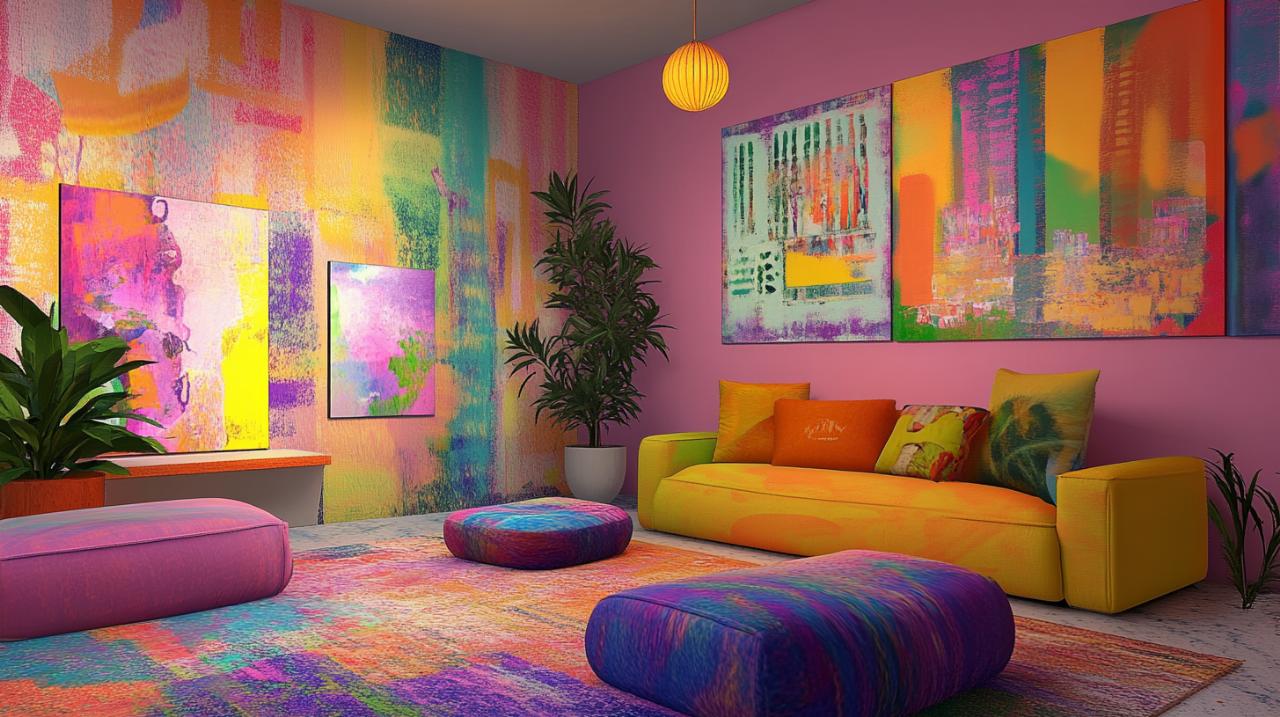
While colour is undeniably important, the finish and texture of paint also play a significant role in defining the character of a space. Textured finishes can add a tactile dimension to your walls, transforming a simple painted surface into something far more interesting and layered. These finishes work to catch the light in unique ways, creating shadows and highlights that shift throughout the day and add a sense of depth that flat colour alone cannot achieve. For those looking to move beyond standard paint applications, exploring textured finishes is a wonderful way to introduce a bespoke quality to your home.
Textured paint techniques can range from subtle to dramatic, depending on the effect you wish to create. Some methods involve the use of specialist tools or materials, while others can be achieved with simple household items. The result is a surface that feels alive and dynamic, contributing to an overall atmosphere that is both warm and inviting. Whether you are aiming for a rustic, vintage aesthetic or a more contemporary, industrial vibe, there is a textured finish that can help you achieve your vision. This form of DIY wall paint is not only practical but also offers an opportunity to express your creativity and make a truly unique mark on your living space.
Sponging and Ragging Effects for a Vintage Feel
Sponging and ragging are classic techniques that have been used for generations to add texture and a sense of age to painted walls. These methods involve applying paint with a sponge or a piece of rag, rather than a traditional brush or roller, to create a mottled, layered effect that resembles the patina of time. The beauty of these techniques lies in their unpredictability; each application is unique, resulting in a finish that feels organic and handcrafted. This approach is ideal for those who appreciate the charm of vintage or cottage-style interiors and want to introduce a sense of history and warmth into their home.
To achieve a sponging effect, you typically start with a base coat in one colour and then apply a second, slightly different shade using a natural sea sponge. The sponge is dabbed onto the wall in a random pattern, allowing the base colour to show through and creating a soft, textured appearance. Ragging works in a similar way, but instead of a sponge, you use a crumpled piece of cloth to apply or lift paint from the wall. Both methods can be used to create either subtle or more pronounced effects, depending on the contrast between the colours chosen and the amount of paint applied. These techniques are particularly effective in spaces where you want to evoke a sense of comfort and nostalgia, such as bedrooms, reading nooks, or cosy living areas.
Limewash and Chalk Paint for a Rustic Touch
Limewash and chalk paint are two finishes that have gained popularity in recent years for their ability to impart a rustic, natural look to interiors. Limewash, in particular, is a traditional material that has been used for centuries and is valued for its breathable qualities and the soft, matte finish it creates. Unlike modern emulsions, limewash has a slightly translucent quality that allows the texture of the underlying surface to show through, giving walls a beautiful, aged appearance that is both understated and elegant. This type of paint is also known for its environmental benefits, as it can improve air quality and is made from natural ingredients.
Chalk paint, on the other hand, offers a similarly matte finish but is typically thicker and more opaque than limewash. It is often used on furniture and cabinetry but can also be applied to walls for a distinctive, velvety effect. The finish has a soft, powdery appearance that can be left as is or lightly distressed to reveal hints of the colour beneath, adding to the rustic charm. Both limewash and chalk paint are excellent choices for those looking to create a home that feels grounded and connected to nature. They work particularly well in country-style kitchens, farmhouse living rooms, or any space where a sense of authenticity and warmth is desired. By incorporating these textured finishes into your decorating scheme, you can achieve a look that is both timeless and deeply personal, reflecting a love of natural materials and traditional craftsmanship.