
The world of film and television thrives on connections just as much as it depends on creativity and technical skill. For aspiring filmmakers, sound engineers, animators, and production professionals, the ability to forge meaningful industry relationships can be as vital as mastering the craft itself. ESRA, the Ecole Superieure de Realisation Audiovisuelle, understands this reality and has built its educational model around preparing students not only with hands-on expertise but also with the strategic networking opportunities essential for success in the audiovisual sector. Established in 1972, ESRA has cultivated a reputation for bridging the gap between academic training and the professional demands of cinema and television, ensuring that graduates emerge ready to navigate the complex landscape of the industry with confidence and a robust network of contacts.
Building industry connections through esra's multi-campus network
One of the most distinctive features of ESRA's approach to education is its extensive geographic reach, which inherently broadens the scope of networking opportunities available to its students. With campuses situated in Paris, Nice, Rennes, and Brussels, as well as a presence in New York, the school offers a truly international platform for building professional relationships. Each location serves as a hub for regional film and television activity, providing students with access to diverse creative communities and industry professionals who operate within distinct cultural and commercial contexts.
Leveraging geographic diversity: paris, nice, rennes, and brussels
The Paris campus sits at the heart of one of Europe's most vibrant film capitals, where major production companies, distribution networks, and post-production houses converge. Students here benefit from proximity to established industry players and frequent opportunities to attend screenings, festivals, and professional events that draw practitioners from across the continent. Meanwhile, the Cote d'Azur campus in Nice offers a gateway to the thriving Mediterranean film scene, with its blend of independent cinema and festival culture, most notably the Cannes Film Festival, which attracts international talent and financiers each year. In Brittany, the Rennes campus connects students with regional production initiatives and emerging creative voices, fostering a collaborative environment where innovation and tradition intersect. The Brussels campus extends ESRA's reach into the heart of European media policy and multilingual broadcasting, providing unique insights into cross-border co-productions and international distribution strategies. This geographic diversity means that students can tap into multiple professional ecosystems, building a network that spans industries, languages, and markets.
Cross-campus collaborations and professional partnerships
ESRA encourages collaboration not only among students on a single campus but also across its various locations. Joint projects, shared workshops, and inter-campus competitions create natural opportunities for students to connect with peers who bring different perspectives and skillsets to the table. These collaborations often extend beyond the classroom, with alumni remaining in touch and supporting one another as they advance in their careers. The school's partnerships with industry professionals further enhance this network, as guest lecturers, mentors, and jury members drawn from the ranks of working filmmakers, producers, and distributors regularly engage with students. These interactions provide invaluable insights into current industry trends and open doors to internships, apprenticeships, and eventual employment. With over fifteen thousand alumni working in the audiovisual sector since the school's founding, the ESRA community represents a vast and active professional network that continues to grow and strengthen with each graduating class.
Practical Training and Real-World Experience as Networking Foundations
Theoretical knowledge alone does not suffice in an industry as dynamic and collaborative as film and television. ESRA places a strong emphasis on practical training, ensuring that students gain real-world experience through hands-on projects that mirror the demands and workflows of professional production environments. This approach not only sharpens technical skills but also fosters the kind of collaborative working relationships that are essential for successful careers in audiovisual media.
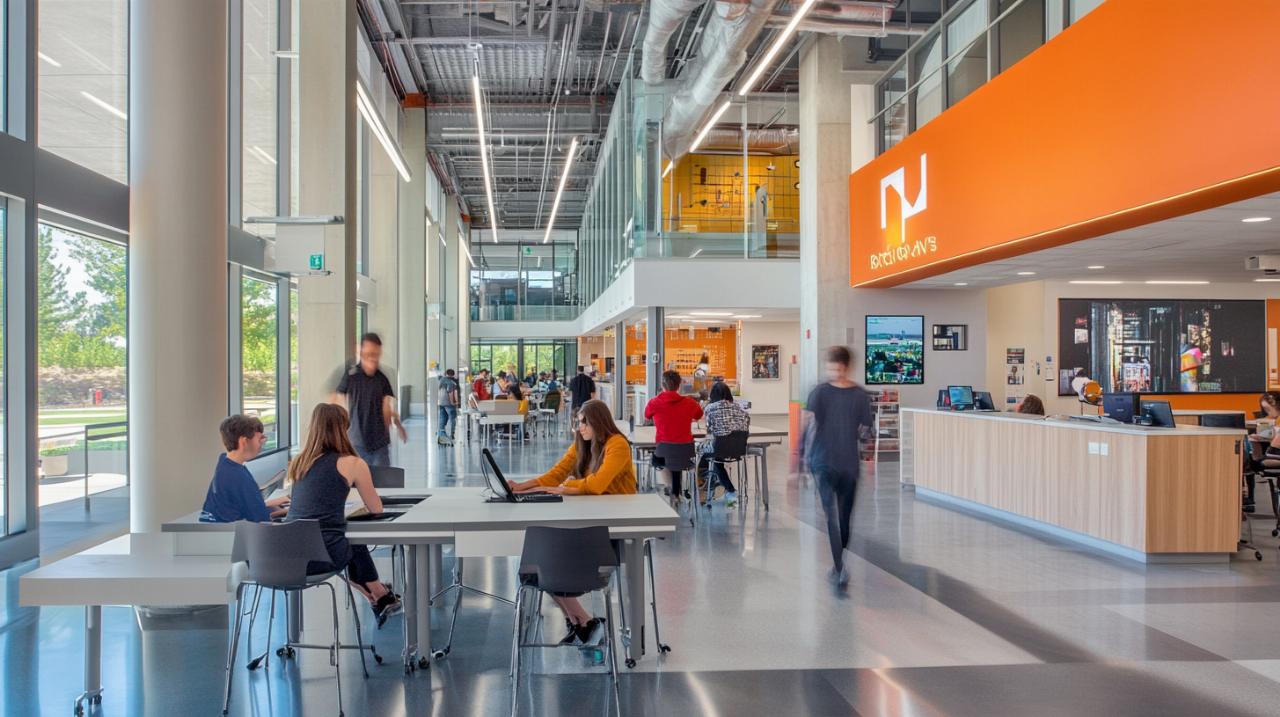
Hands-on production projects that connect students with industry professionals
From the outset of their studies, ESRA students are immersed in the process of making films, recording sound, and creating animations. The ESRA Filmmaking programme, for example, provides over seven hundred hours of instruction per year, much of which is dedicated to practical workshops where students work on live projects under the guidance of experienced tutors. These projects often involve external partners, including production companies, broadcasters, and festival organisers, who offer both resources and feedback. By participating in these initiatives, students develop portfolios that demonstrate their capabilities while simultaneously establishing professional contacts who can vouch for their skills and work ethic. Internships form another critical component of the curriculum, placing students directly within industry settings where they contribute to active productions and learn from seasoned professionals. These experiences are not merely resume builders; they are networking opportunities that frequently lead to job offers and long-term professional relationships. The school's commitment to hands-on learning ensures that students graduate not as outsiders seeking entry into the industry but as emerging professionals who have already begun to build their reputations and connections.
Technical Skills Development in Distribution and Scenario Writing for Career Advancement
While production skills are fundamental, ESRA also recognises the importance of understanding the business and creative sides of the industry. Courses in production and distribution teach students how films and television programmes are financed, marketed, and brought to audiences, equipping them with knowledge that is highly valued by employers and collaborators. The two-year DHEC diploma programme in production and distribution, available after completing a Bachelor's degree, delves deeply into these areas, preparing graduates for roles in studios, independent production companies, and distribution networks. Similarly, training in screenwriting and directing through the DHEC Screenwriting and Directing programme and the MFA in Filmmaking hones the narrative and creative skills that are essential for anyone looking to lead projects or collaborate effectively with creative teams. By developing expertise across multiple facets of the industry, ESRA students position themselves as versatile professionals capable of contributing to projects in various capacities. This versatility not only enhances their employability but also broadens their networking potential, as they can engage meaningfully with colleagues from different departments and specialisations. The school's focus on technical and creative excellence thus serves a dual purpose, building both competence and connections.
ESRA's Educational Ecosystem and Career Pathways in Cinema and Television
ESRA's reputation as a leading institution in audiovisual education rests on its ability to align its programmes with the evolving needs of the film and television industry. By offering a comprehensive range of diplomas and degrees, the school caters to students at various stages of their educational and professional journeys, from those just beginning to explore the field to seasoned practitioners seeking to specialise or retrain.
Diploma Programmes Aligned with Film and Television Industry Demands
The school offers three-year Bachelor's degrees in Cinema, Sound, and Animation, each designed to provide a solid foundation in the core disciplines of audiovisual production. Students in the Bachelor Filmmaking programme can specialise in their third year in areas such as directing for film, series production, directing for television, cinematography, production, or assembly, allowing them to tailor their education to their career ambitions. This level of specialisation ensures that graduates possess not only broad competencies but also deep expertise in their chosen fields, making them attractive candidates for employers seeking skilled professionals. For those wishing to pursue advanced study, the two-year DHEC programmes in screenwriting and directing or production and distribution, as well as the MFA in Filmmaking, offer pathways to postgraduate credentials at the Bac plus five level. These programmes are state-recognised and valued by the industry, providing graduates with qualifications that carry weight in competitive job markets. Additionally, ESRA offers professional retraining programmes for adults looking to change careers or upgrade their skills, as well as introductory workshops for high school students through ESRA Junior, which take place each July. This broad range of offerings reflects the school's commitment to serving the diverse needs of the audiovisual community and ensures that students at every level have access to quality education and networking opportunities.
The ESRA Group's Reputation and Alumni Network in Cinematographic Education
ESRA's standing as the top private film school in France, as ranked by Le Figaro in 2025, underscores the quality of its programmes and the respect it commands within the industry. With an employment rate of eighty-five percent within a year of graduation, the school demonstrates its effectiveness in preparing students for successful careers. This success is due in large part to the strength of the ESRA alumni network, which includes over fifteen thousand graduates who have gone on to work in a wide array of roles across film, television, sound, animation, and related fields. Many alumni have received prestigious awards, including Cesars, Oscars, and Grammys, further cementing the school's reputation for producing exceptional talent. The ESRA Group's commitment to supporting its students extends beyond graduation, with ongoing opportunities for professional development, alumni events, and mentorship programmes that keep former students connected to the school and to one another. The school also provides substantial financial support, distributing over one hundred thousand euros in scholarships annually and ensuring that more than twenty-five percent of students receive funding assistance. This commitment to accessibility and excellence ensures that ESRA continues to attract talented individuals who will contribute to and benefit from the school's thriving professional community. By fostering a culture of collaboration, innovation, and mutual support, ESRA prepares its students not just to enter the film and television industry but to thrive within it, building the strategic networks that will sustain and advance their careers for years to come.