
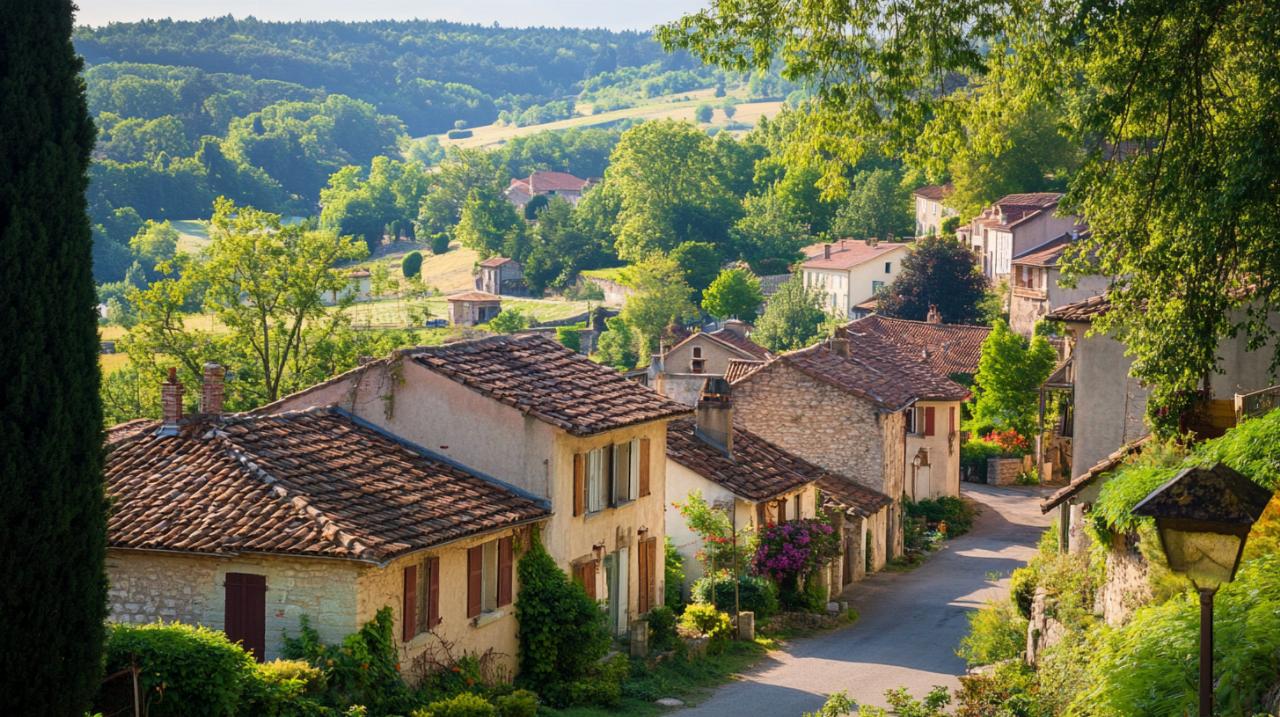
Nestled in the rolling hills of southwestern France, Le Fousseret offers visitors a captivating glimpse into the rural charm of the Occitanie region. This historic commune sits proudly on a hilltop, providing sweeping views of the Garonne Valley and the distant Pyrenees, making it an enchanting destination for those seeking both cultural heritage and natural beauty. With its origins as a fortified bastide town dating back to the thirteenth century, Le Fousseret combines architectural interest with the tranquillity of countryside living, just forty-seven kilometres south of Toulouse. Understanding the seasonal climate variations is essential for planning your visit, as the weather throughout the year can significantly influence your experience of this picturesque locale and its surrounding landscapes.
Understanding le fousseret's climate throughout the year
Le Fousseret experiences an oceanic climate characterised by mild winters and warm summers, a pattern typical of much of southwestern France. This temperate climate ensures that the commune remains accessible and enjoyable for visitors across all seasons, though each period of the year brings its own distinct character and appeal. The interplay of Atlantic influences and the proximity to the Pyrenees creates a microclimate that can surprise visitors with its variety, making it important to consider what each season offers before embarking on your journey to this Haute-Garonne commune.
Spring and Summer Weather Patterns in the Haute-Garonne Commune
Spring arrives gently in Le Fousseret, typically from late March through May, bringing a gradual warming that transforms the countryside into a tapestry of wildflowers and fresh greenery. Temperatures during this period climb steadily, making it an ideal time for exploring the historic grid layout of the town and the covered market that has served as its heart since medieval times. The mild conditions allow for comfortable walks along the Promenade du Picon, the elevated walkway that occupies the site of the old castle and offers panoramic vistas across the valley below. Rainfall during spring contributes to the annual average of seven hundred to eight hundred millimetres, ensuring the landscape remains lush and vibrant without becoming oppressively wet.
Summer in Le Fousseret, spanning June through August, brings warm and pleasant weather that invites outdoor exploration and leisure. The hilltop position of the commune means that even during the warmest months, breezes can provide relief from the heat, making afternoons in the central square or visits to the Church of Saint-Pierre more comfortable than in lower-lying areas. The extended daylight hours of summer allow visitors ample time to discover the surrounding countryside, including neighbouring communes such as Marignac-Lasclares and Lavelanet-de-Comminges. The warm season also sees local life flourish, with the market hall rebuilt in eighteen ninety-nine serving as a focal point for regional produce and community gatherings. Despite the warmth, the oceanic climate prevents the extreme heat found in more Mediterranean regions, making Le Fousseret a pleasant escape from the intensity of southern summers.
Autumn and Winter Conditions in the Comminges Area
Autumn descends upon the Comminges area with a palette of golden and russet hues, as the landscape transitions from the warmth of summer into the cooler months. From September through November, temperatures gradually decline, creating crisp mornings and mild afternoons that are perfect for exploring the bastide's architectural heritage. The grid layout established by Raymond VII, Count of Toulouse, around twelve forty-seven becomes especially atmospheric during this season, with softer light enhancing the historic character of the streets and squares. Autumn rainfall contributes significantly to the annual total, yet the showers tend to be intermittent rather than persistent, allowing for periods of clear weather between systems moving in from the Atlantic.
Winter in Le Fousseret is characterised by mild conditions compared to many other European destinations at similar latitudes. From December through February, temperatures remain moderate, rarely dropping to severe lows, though frost can occasionally settle on the hilltop during clear nights. The views towards the Pyrenees take on added drama during winter, as snow caps the distant peaks while the valley below remains green. This season sees fewer visitors, offering a more intimate experience of the commune and its five hundred ninety-three jobs supporting the local economy. The winter months provide an opportunity to appreciate the indoor attractions, including the Church of Saint-Pierre with its centuries of history, and to enjoy the warmth of local establishments. The mild winters also mean that the multi-professional health centre and other services remain easily accessible throughout the year, ensuring that residents and visitors alike are well supported during the cooler months.
Optimal Times to Visit Le Fousseret for Different Activities
The diverse climate throughout the year in Le Fousseret means that different seasons appeal to different types of visitors and activities. Understanding when the weather best suits your interests can transform a pleasant trip into an unforgettable experience, allowing you to engage more deeply with the landscape, heritage, and local culture of this corner of Occitanie.
Best Seasons for Exploring Local Landmarks and the Countryside
For those whose primary interest lies in exploring the architectural heritage and historical landmarks of Le Fousseret, the shoulder seasons of late spring and early autumn prove ideal. The months of May, June, September, and October offer comfortable temperatures that make walking the bastide's grid layout a pleasure rather than an endurance test. During these periods, the Church of Saint-Pierre can be appreciated without the crowds that might gather during peak summer weeks, and the Promenade du Picon provides stunning views without the haze that occasionally develops during the hottest months. The covered market, a focal point since the town's establishment as a fortified settlement, comes alive during these seasons with seasonal produce reflecting the agricultural rhythms of the Haute-Garonne department.
Spring offers the additional advantage of witnessing the countryside burst into bloom, with fields and hedgerows surrounding the commune displaying wildflowers that attract butterflies and other pollinators. The moderate rainfall during this season keeps the landscape fresh without creating muddy conditions that might hamper rural walks. Autumn, meanwhile, brings the harvest season, when local farms showcase the fruits of their labour and the surrounding communes such as Castelnau-Picampeau and Montoussin celebrate the agricultural traditions that have sustained these communities for centuries. The softer light of autumn also enhances photography, making it an excellent time for capturing the essence of this historic bastide and its relationship with the broader Garonne Valley landscape.
Weather Considerations for Birdwatching and Outdoor Pursuits
The varied landscapes around Le Fousseret, with its position overlooking the Garonne Valley and proximity to the Pyrenees, create excellent opportunities for birdwatching and other outdoor pursuits throughout much of the year. Spring migration periods, particularly from late March through May, bring an influx of species returning from their winter grounds, making this an exciting time for ornithologists and casual bird enthusiasts alike. The moderate temperatures and increased daylight allow for extended periods in the field, whether exploring the immediate vicinity of the commune or venturing further into the surrounding countryside towards neighbouring areas such as Mondavezan and Saint-Elix-le-Château.
Summer offers the longest days and most stable weather for hiking and cycling through the rural landscapes that characterise this part of Occitanie. The area of thirty-eight point three square kilometres encompassing the commune provides ample space for exploration, with paths and tracks leading through agricultural land and wooded areas that host a variety of wildlife. The hilltop position means that even during warm summer days, breezes can make outdoor activity comfortable, particularly during morning and evening hours when the light is most favourable. For those interested in observing resident species and understanding the ecological relationships within this agricultural landscape, autumn and early winter can also prove rewarding, as shorter days concentrate bird activity around feeding areas and the reduced vegetation makes observation easier. The mild winters characteristic of Le Fousseret's oceanic climate mean that outdoor pursuits remain viable throughout the year, though appropriate clothing for occasional wet weather is advisable given the annual rainfall patterns.
Planning Your Journey to Le Fousseret from Toulouse and Beyond
Reaching Le Fousseret requires thoughtful planning, as this rural commune relies primarily on road connections and regional bus services rather than rail links. Understanding the practicalities of access, especially in relation to seasonal weather patterns, helps ensure a smooth journey and allows you to make the most of your time in this historic bastide and its surrounding area.
Navigating the Muret District and Nearby Communes
Le Fousseret lies within the district of Muret, positioned some forty-seven kilometres south of Toulouse, a journey that typically takes just under an hour by car in good conditions. The most direct route follows major roads southward from the regional capital, passing through landscapes that gradually transition from the urban fringe of Toulouse into the agricultural heartland of the Haute-Garonne department. For those relying on public transport, regional bus services connect the commune with larger centres, though schedules may be less frequent than those serving more populous areas. Planning your journey to coincide with service times is essential, particularly if visiting during winter months when reduced daylight hours limit flexibility.
The commune's position relative to its neighbours offers opportunities for exploring the broader Comminges area, with Marignac-Lasclares, Lavelanet-de-Comminges, and other nearby settlements each possessing their own character and points of interest. The grid layout established when Raymond VII founded the bastide around twelve forty-seven makes orientation within Le Fousseret straightforward, with the central market serving as a clear reference point. Visitors arriving by car will find that the commune's compact size, home to a population of one thousand eight hundred seventy-five as of twenty twenty-two, means that parking is generally accessible and that most points of interest lie within comfortable walking distance of each other. The hilltop setting does mean some streets feature moderate gradients, a consideration for those with mobility concerns or when travelling with young children.
Seasonal Travel Tips and What to Pack for Your Visit
Packing appropriately for Le Fousseret depends significantly on the season of your visit and your planned activities. During spring and autumn, layered clothing proves most practical, allowing you to adjust to temperature variations throughout the day and to the microclimates created by the hilltop position and valley breezes. A waterproof jacket or windbreaker is advisable year-round given the oceanic climate and average annual rainfall of seven hundred to eight hundred millimetres, though extended periods of rain are uncommon even during wetter months. Comfortable walking shoes with good grip are essential for exploring the bastide's streets and the Promenade du Picon, where uneven historic paving and elevated walkways require secure footing.
Summer visitors should pack sun protection including hats and sunscreen, as the hilltop location offers limited shade in some areas, particularly around the central market and church. Despite the generally mild climate, summer afternoons can become warm, making lightweight, breathable clothing preferable for comfort during midday exploration. Winter travellers will find that a medium-weight coat suffices for most conditions, though thermal layers may be appreciated during early morning or evening excursions, especially when the breeze picks up. Given the commune's distance of six hundred twenty-seven kilometres from Paris and its rural character, it's prudent to bring any specialist items you might need, as local shopping options focus primarily on everyday necessities rather than visitor supplies. The multi-professional health centre provides reassurance for medical needs, while the Collège Pierre et Marie Curie, which opened in twenty ten to serve four hundred students, indicates the presence of family-friendly infrastructure. Whatever the season, a camera or smartphone is essential for capturing the sweeping views across the Garonne Valley towards the Pyrenees, vistas that have drawn visitors to this historic bastide for centuries and continue to define the experience of Le Fousseret today.