
The vibrant culinary landscape of Andalusia offers a fascinating window into centuries of cultural exchange, where ancient traditions meet contemporary flavours. This sun-drenched region in southern Spain tells its history through food, revealing layers of influence that have shaped what we recognise today as quintessentially Spanish cuisine. From bustling tapas bars to family kitchens where recipes pass through generations, the gastronomic heritage of Andalusia represents a remarkable fusion of civilisations that continues to captivate food enthusiasts across the globe.
The moorish influence on andalusian gastronomy
The Moorish occupation of the Iberian Peninsula, which lasted nearly eight centuries, left an indelible mark on Spanish cooking that remains visible in modern kitchens throughout Andalusia. This extended period of cultural coexistence introduced ingredients, flavours, and preparation methods that fundamentally transformed the regional palate. The intricate blend of Arabic culinary wisdom with existing Spanish practices created a unique gastronomic identity that distinguishes Andalusian food from other Mediterranean cuisines. Award-winning chef José Pizarro, often referred to as the Godfather of Spanish Food in the United Kingdom, has dedicated much of his career to exploring these connections, particularly through his comprehensive exploration of Andalusian cooking heritage.
Historical Spice Routes and Their Impact on Spanish Cuisine
The arrival of exotic spices through North African trade routes revolutionised Spanish cookery, introducing aromatic elements that were previously unknown to European kitchens. Saffron, cumin, coriander, and cinnamon became staples in Andalusian larders, transforming simple dishes into complex flavour experiences. These precious commodities travelled across the Mediterranean, carried by merchants who established vibrant trading networks connecting Granada and Córdoba to distant markets. The integration of these spices into spanish traditional recipes and techniques created a distinctive culinary language that balanced sweet and savoury notes in ways that challenged conventional European cooking wisdom. This sophisticated approach to seasoning remains evident in contemporary Andalusian dishes, where unexpected combinations continue to surprise and delight diners. The legacy of these ancient spice routes extends beyond mere flavouring, influencing preservation methods and the very structure of meal composition throughout the region.
Traditional cooking methods inherited from north african culture
Beyond ingredients, the Moorish presence introduced entirely new approaches to food preparation that reshaped Spanish cooking fundamentals. Slow braising techniques, the use of earthenware vessels for both cooking and serving, and elaborate methods of layering flavours became integral to Andalusian culinary practice. These methods emphasised patience and careful attention to temperature control, principles that contrast sharply with the rapid cooking traditions found elsewhere in Europe. The concept of combining fruits with meats, a hallmark of Moorish gastronomy, found fertile ground in Andalusian kitchens where dishes such as pork loin with pear and hazelnuts exemplify this harmonious marriage of seemingly disparate elements. The practice of salt-baking, used for preparations like prawns baked in salt with accompanying fresh salsas, demonstrates another technique that preserves moisture whilst imparting subtle mineral flavours. These inherited methods continue to define authentic Andalusian cooking, providing a direct link to medieval practices that have survived centuries of culinary evolution.
Authentic recipes showcasing spanish-moorish culinary fusion
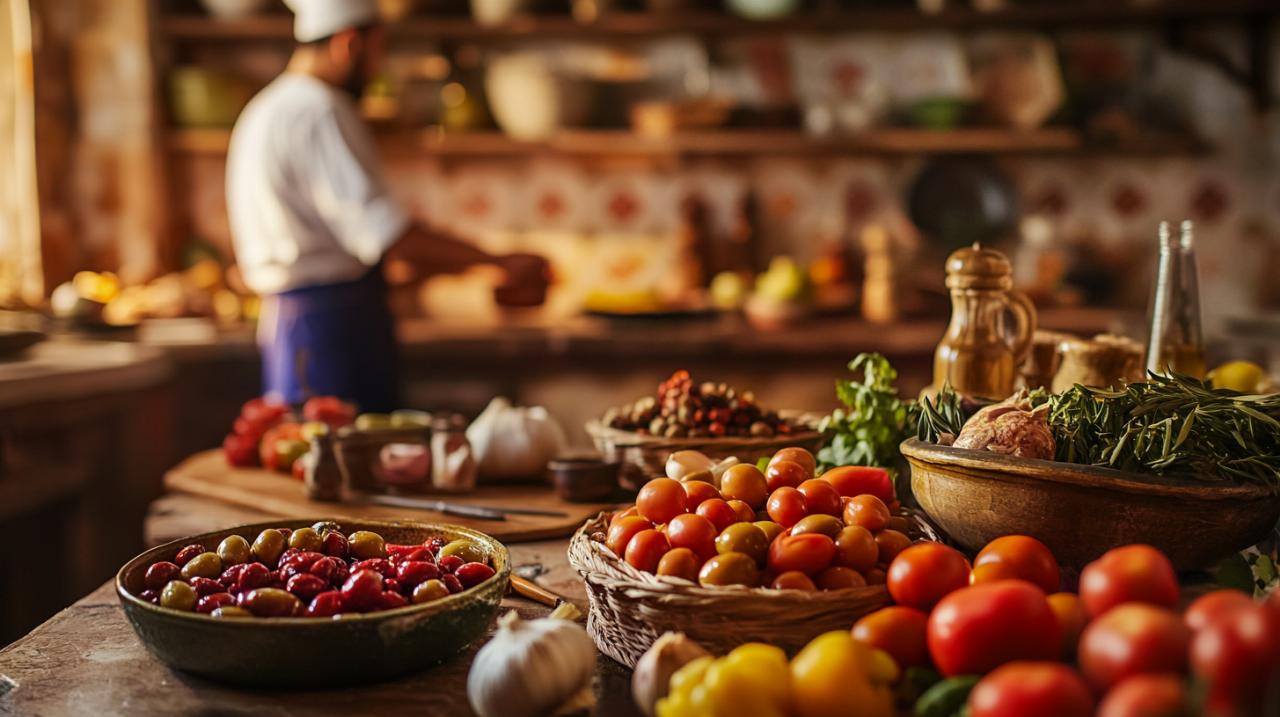
The practical application of Moorish culinary principles manifests beautifully in dishes that have become synonymous with Andalusian identity. These recipes, preserved through oral tradition and family cookbooks, represent living history that continues to evolve whilst maintaining essential connections to their origins. José Pizarro's extensive work documenting these traditions, including his comprehensive collection of Recipes from Andalusia, demonstrates how historical dishes adapt to contemporary tastes without losing their fundamental character. His establishments across London, including the renowned tapas and sherry bar José and restaurant Pizarro, serve as ambassadors for this rich culinary heritage, introducing British diners to flavours rooted in centuries of cross-cultural exchange.
Classic Dishes from Granada and Córdoba's Kitchen Heritage
Granada and Córdoba, two cities that flourished as centres of Moorish culture, developed particularly distinctive culinary traditions that reflect their cosmopolitan past. The kitchens of these ancient cities produced dishes that seamlessly blended Arabic refinement with robust Spanish ingredients, creating a repertoire that remains beloved throughout Spain. Recipes from these regions often feature almonds, honey, and aromatic herbs in combinations that reveal their North African ancestry whilst incorporating local produce such as Iberian pork and Mediterranean seafood. The tradition of small plates, which evolved into what we now recognise as tapas culture, has roots in these historic cities where sharing food represented both hospitality and community. These classic preparations require specific techniques that have been refined over generations, from the precise timing needed for achieving perfect texture to the careful balancing of sweet and savoury elements that characterise Moorish-influenced Spanish cuisine. The enduring popularity of these dishes, both in Spain and internationally, speaks to their timeless appeal and the skill required to execute them properly.
Modern interpretations of medieval spanish cooking techniques
Contemporary chefs working within the Andalusian tradition face the intriguing challenge of honouring historical methods whilst addressing modern palates and expectations. This delicate balance requires deep understanding of traditional techniques combined with creative vision that respects authenticity without becoming enslaved to it. José Pizarro's approach, demonstrated through his television appearances on programmes such as Saturday Kitchen and Sunday Brunch, shows how ancient recipes can be presented accessibly without sacrificing their essential character. Innovations such as the Barbary fig margarita illustrate how traditional Andalusian ingredients can be reimagined for contemporary contexts, bridging the gap between heritage and modernity. The availability of Andalusian recipes in various formats, including comprehensive cookbooks published by imprints such as Hardie Grant Books, has democratised access to these traditions, allowing home cooks to explore techniques that were once confined to professional kitchens or family secrets. This accessibility has sparked renewed interest in regional Spanish cooking, encouraging a new generation to engage with methods that might otherwise have faded from common practice. The challenge remains to preserve the integrity of these spanish traditional recipes and techniques whilst allowing them to evolve naturally, ensuring their relevance for future generations who will carry forward this remarkable culinary legacy.