
Selecting the right timber for garden pieces requires careful consideration of both natural characteristics and long-term performance. When properly chosen and maintained, outdoor furniture crafted from premium timber can withstand decades of British weather while developing a distinguished character. Understanding which materials offer the best combination of resilience and aesthetic appeal enables homeowners to make informed decisions that balance initial investment with longevity and maintenance requirements.
Premium hardwood species for weather-resistant garden furniture
Teak and Iroko: Natural Oil-Rich Timbers for Ultimate Outdoor Durability
Teak stands as the gold standard among wood species for outdoor furniture, renowned for its exceptional resistance to decay and insect damage. This hardwood contains natural oils that repel moisture and prevent warping, making it remarkably stable across seasonal temperature fluctuations. The heartwood of teak demonstrates superior durability compared to sapwood, offering decades of service when properly maintained. Whilst teak represents a significant financial commitment, its longevity justifies the expense for those seeking furniture that will grace their gardens for generations. The timber requires annual oiling to preserve its warm honey tones, though many owners appreciate the silvery-grey patina that develops naturally over time when left untreated.
Iroko presents a compelling alternative that shares many of teak's desirable properties whilst offering greater affordability. This African hardwood exhibits remarkable scratch resistance and stands firm against both moisture infiltration and insect attack. The timber's natural durability stems from its dense cellular structure and inherent chemical compounds that deter biological degradation. Over time, iroko develops a darker brown or bronze hue that many find appealing, adding depth and richness to garden settings. Its workability makes it popular among craftsmen who appreciate timber that responds well to traditional joinery techniques whilst maintaining structural integrity in exposed conditions.
Oak and Eucalyptus: British Favourites with Excellent Weather Tolerance
European oak has furnished British gardens for centuries, combining strength with timeless aesthetic appeal. This hardwood boasts impressive weather resistance when properly treated, though it benefits from occasional protective applications and covering during particularly harsh conditions. Oak's distinctive grain patterns and warm colouring complement both traditional and contemporary garden designs, making it a versatile choice for various furniture styles. The timber's density provides excellent stability, resisting the warping and splitting that plague lesser materials. When sourced from sustainable forests bearing FSC or PEFC certification, oak represents an environmentally responsible choice that supports responsible forestry practices.
Western red cedar offers natural protection through its high resin content, which creates a biological barrier against decay and insect infestation. This softwood weathers gracefully to a distinguished silvery-grey finish when left untreated, though homeowners can maintain its original reddish tones through regular applications of protective sealants. Alaskan yellow cedar provides similar characteristics at potentially lower cost, offering comparable weather resistance whilst accepting stains that can replicate the appearance of its Western cousin. Douglas fir rounds out the premium softwood options, delivering harder fibres than typical softwoods along with natural resins that shield against fungal growth and moisture damage. Its cost-effectiveness combined with ease of working makes it particularly attractive for larger projects where budget considerations matter.
Essential Wood Treatment and Preservation Techniques for Extended Lifespan
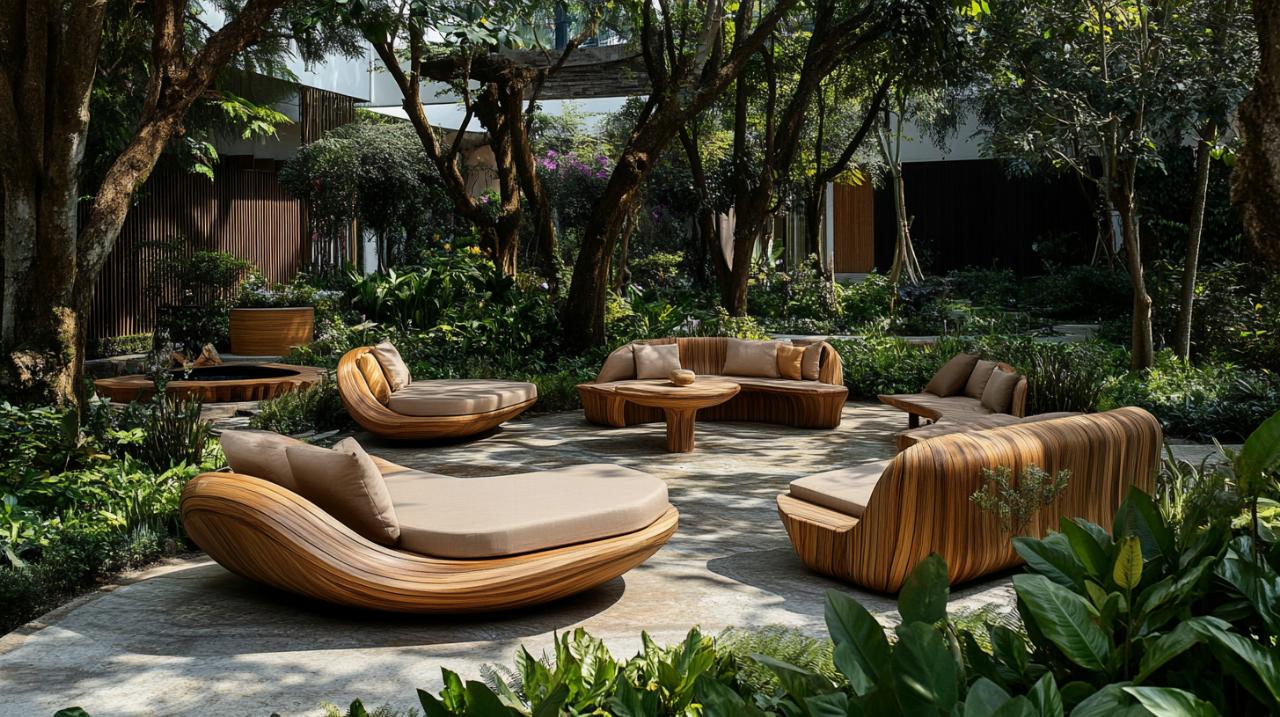
Protective oils and sealants: maintaining natural timber characteristics
Applying appropriate finishes extends the service life of garden furniture considerably whilst preserving the natural beauty of the timber. Clear sealants create invisible barriers that repel water whilst allowing the wood's grain and colour to remain visible, offering protection without altering appearance. For those wishing to retain original colouring, products offering UV protection prevent the photochemical weathering that gradually lightens exposed timber. Conversely, homeowners who prefer the distinguished silvery-grey patina can apply colourless waterproof treatments that permit natural weathering whilst preventing moisture penetration and subsequent rot.
Wood stains offer both protection and aesthetic enhancement, penetrating timber fibres to provide defence from within whilst adding colour depth. These products work particularly well on softwoods that benefit from additional protection beyond their natural properties. When selecting treatments, consideration should be given to the specific timber species involved, as different woods respond variably to various finishing systems. Products specifically formulated for outdoor timber contain additives that resist mildew growth and UV degradation, addressing the primary threats facing garden furniture throughout the year.
Regular Maintenance Schedules and Care Routines for Outdoor Wood Pieces
Establishing a consistent maintenance routine proves essential for maximising furniture longevity regardless of timber species selected. Annual cleaning with warm soapy water and a bristle brush removes accumulated dirt, pollen, and biological growth before these contaminants compromise protective finishes. This simple procedure becomes particularly important before seasonal use commences, ensuring furniture presents well whilst allowing inspection for any developing issues. Hardwoods generally require less frequent intervention than softwoods, though all timber benefits from protective covering during extended periods of non-use or severe weather.
Softwood furniture demands annual treatment with appropriate stains or paints to maintain protection against moisture infiltration and decay. Even naturally resistant species like cedar benefit from periodic applications of protective oils that replenish natural compounds depleted through weathering. Metal fittings and fixings require separate attention, with checks for rust formation and applications of rust-inhibiting paints every few years maintaining structural integrity. Joints should receive occasional lubrication to prevent seizing whilst allowing seasonal movement without damage. Storage considerations play an important role in preservation, with shelter during winter months preventing the brittleness that develops when plastics endure repeated freeze-thaw cycles and protecting timber from unnecessary exposure to harsh conditions. Through diligent care combining appropriate initial material selection with regular maintenance, garden furniture continues providing comfortable outdoor living spaces for decades whilst developing the character that only genuine timber can offer.